PREMIUM & LUXURY-LED BRANDS
Luxury Brand Identity Design
A consistent identity across packaging and digital.
I design brand identity systems for premium and luxury-led brands, connecting visual identity, packaging direction and digital standards. Every project is led directly by me and delivered through a clear written process.
Full identity systems from €5,000 / $5,700.
The right starting point depends on your brand.

SAE-REN · Luxury beauty
Identity, packaging and digital direction.
Looking expensive is not the same as looking credible
Many premium and luxury-led brands do not struggle because the product is weak.
They struggle because the brand does not yet make the product’s value easy to believe.
The logo may be refined.
The palette may feel elegant.
The packaging may look considered.
The website may be clean.
But if those parts do not work together, the customer feels the gap.
A luxury brand identity has to do more than borrow familiar luxury signals. It has to support the product, price, audience, category, and experience behind the brand.
That means typography, color, imagery, packaging, website, content, and guidelines need to follow the same visual logic.
Without that system, the brand may look beautiful in pieces, but inconsistent in use.
What a luxury brand identity needs to do
Luxury brand identity is not only about taste.
It has to shape perception before the customer has the full experience.
A strong luxury-led identity should help the brand:
-
look credible at the price point it wants to hold
-
create recognition across customer-facing touchpoints
-
connect packaging, website, content, and sales material
-
make the product or service easier to understand and trust
-
avoid looking generic, decorative, or forced
-
give future designers, developers, teams, and partners clear standards
-
protect the brand from visual drift as it grows
The goal is not to make everything look expensive.
The goal is to make the brand’s value feel believable, specific, and consistent.
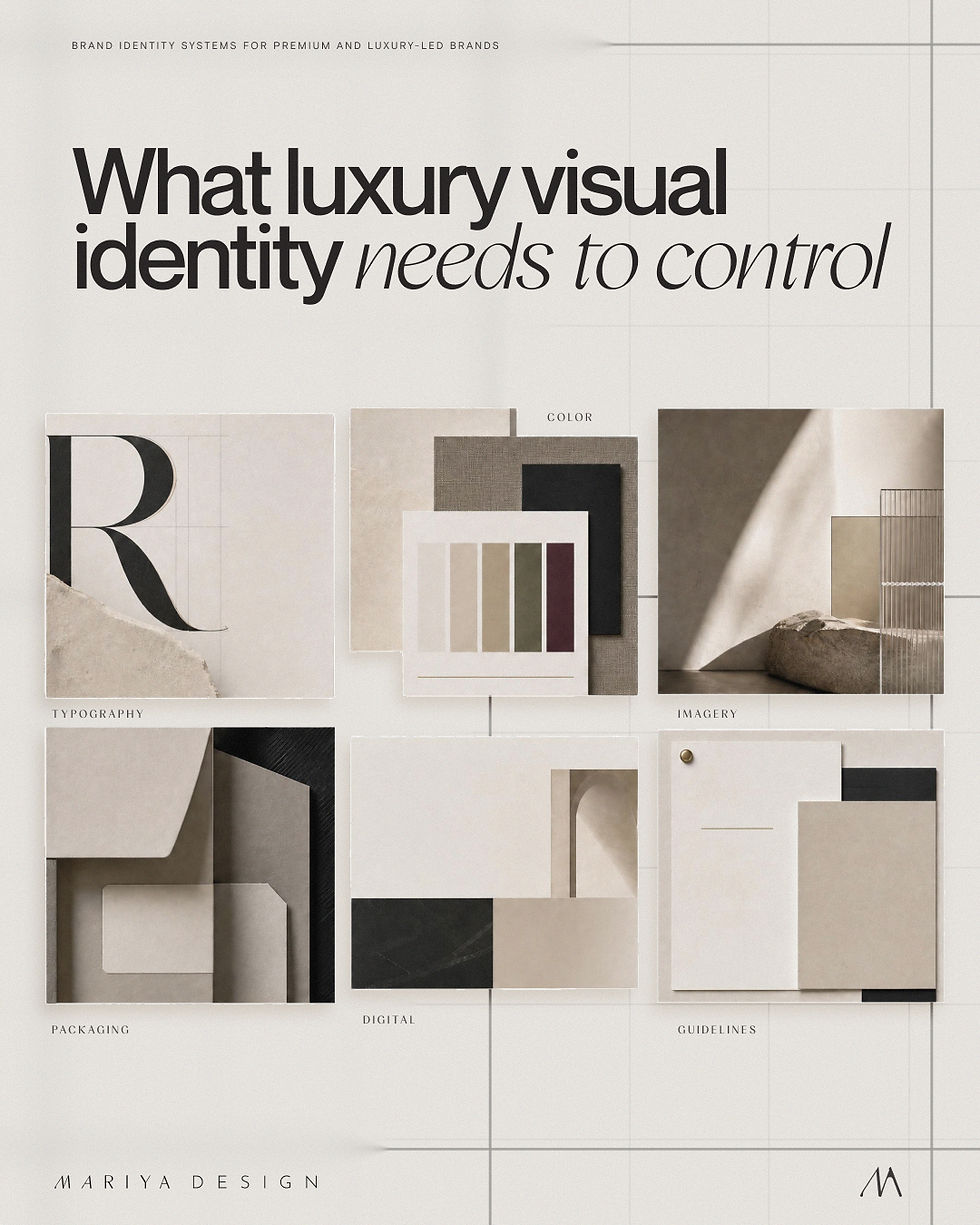
Luxury is not one visual style
Luxury does not always mean minimal, beige, black, gold, serif-led, or quiet.
Those choices can work.
But they are not luxury by themselves.
A clinical skincare brand, a boutique wellness studio, a luxury food product, a high-touch service brand, a jewelry studio, and a premium beauty tool system should not all use the same visual logic.
Some brands need restraint.
Some need warmth.
Some need technical precision.
Some need sensory depth.
Some need heritage.
Some need product clarity before atmosphere.
The identity has to define what kind of luxury the brand is building.
Otherwise, the design becomes a collection of borrowed signals instead of a system that supports the brand behind them.

What I build for luxury brands
The system behind luxury perception
A luxury brand identity system may include direction for:
-
logo and identity architecture
-
typography and hierarchy
-
color roles and palette behavior
-
image direction and art direction
-
packaging direction and product hierarchy
-
website direction and digital standards
-
social and content visual standards
-
layout logic and spacing
-
material and finish direction
-
brand guidelines for future use
The exact scope depends on the brand, the problem, and the stage of the business.
A founder preparing for launch may need a complete identity system.
A brand that already exists may need an audit first.
A product-led brand may need packaging and website direction before any wider execution.
The work should fit the real weakness, not force every brand into the same process.
Selected work
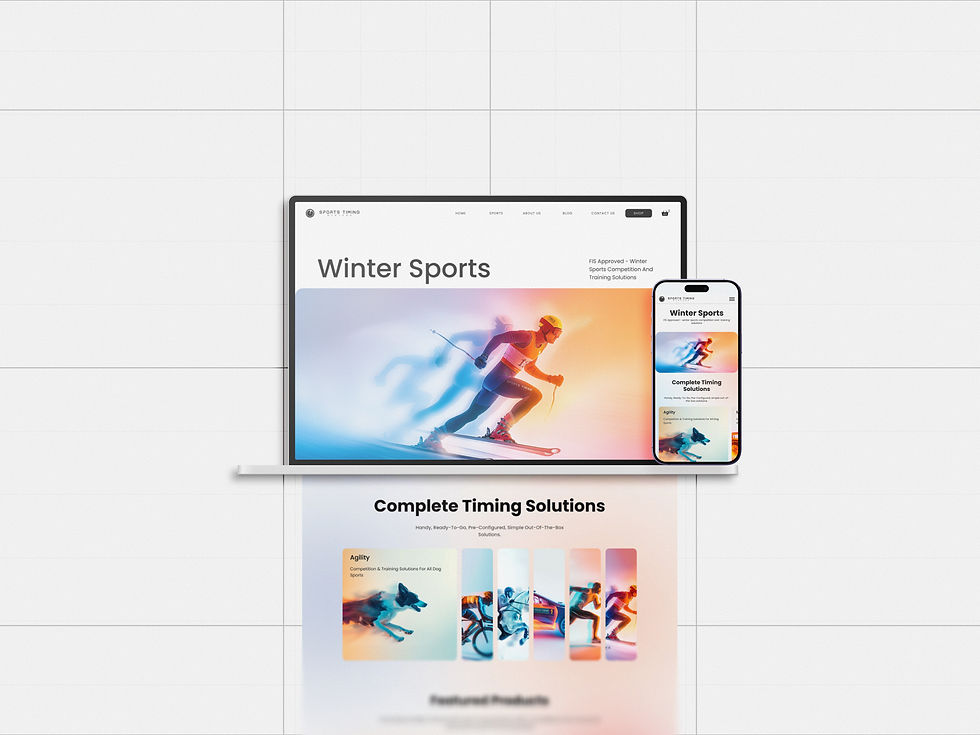
Brand identity systems built to hold beyond launch, across packaging, digital presence, and future execution.


How the work usually starts
The right starting point depends on whether the brand needs diagnosis, direction, or a full identity system.
1. Diagnose the perception gap
Before changing the visual identity, we look at where the brand is actually weakening: packaging, website, product hierarchy, typography, color, imagery, messaging, or execution.
2. Define the luxury direction
Luxury needs to be made specific. The brand may need to feel clinical, sensual, heritage-led, modern, artisanal, technical, intimate, or quietly premium.
3. Build the identity system
The visual direction becomes a usable system: typography, color, layout, imagery, packaging logic, digital standards, and guidelines.
4. Extend across touchpoints
The system is translated into the places customers actually meet the brand: packaging, website, content, campaigns, sales material, and launch assets.
5. Support future execution
A luxury-led identity should not fall apart after handoff. Standards need to be clear enough for future designers, developers, teams, and partners to use.
Not ready to inquire yet?
Download The Luxury Brand Identity System Guide.
It explains the structural elements behind luxury-led brands: visual identity, consistency, packaging, website, content, and perception.
Use it if you are still defining what your brand needs before starting a full audit, direction, or identity system.
Read the Luxury Brand Identity System Guide

Frequently asked
What is a luxury brand identity system?
A luxury brand identity system is the visual and strategic structure behind how a luxury-led brand looks, feels, and behaves across packaging, website, content, campaigns, and future execution.
How is luxury brand identity different from premium brand identity?
Premium brand identity usually builds trust, clarity, polish, and consistency. Luxury brand identity also needs to support a more specific perception of value, such as rarity, restraint, craft, atmosphere, service, heritage, or desire.
Do I need a full rebrand or a brand audit first?
If you are not sure what is weakening perception, start with a Strategic Brand Audit. If the direction is clear and the brand needs a full system, The Vault may be the better starting point.
Is this only for luxury brands?
No. This page is for premium and luxury-led brands, especially brands that need to look more credible, consistent, and ready for a higher level of perception.
If your brand needs to feel more credible, premium, or luxury-led
The first step is understanding what is actually weakening perception.
It may not be the logo.
It may not be the palette.
It may not be the website alone.
It may be the system connecting all of it.
Tell me about your brand and I’ll recommend the right starting point.