Building a Luxury Beauty System That Could Expand Across Product Lines
SAE-REN began with a beauty lounge and two skincare directions. Over a 12-month engagement, the identity expanded across additional treatments, makeup, packaging and digital design without turning every new product into a separate visual direction.

Client
SAE-REN Beauty Lounge
Sector
Luxury Beauty, K-Beauty, Skincare & Cosmetics, Wellness Retail
Main Market
Singapore
Timeframe
2024–2026 · Initial 12-month build followed by rollout support
Engagement
Brand identity system, Packaging architecture, Website design, Rollout support
What I created
Brand identity system, Logo hierarchy, Typography and color system, Skincare and makeup packaging systems, Multi-SKU product logic, 19-page website design in Figma, Vendor-ready production specifications, 50+ page brand guidelines
The situation
SAE-REN began with a beauty lounge and two skincare directions, Pure and Glow. As the engagement developed, the brand expanded into additional treatments, makeup, website design and a second location.
The problem
SAE-REN was developing as more than a single beauty line. The business combined a physical beauty lounge with clinical skincare, treatment programs, and an expanding product ambition.
The first work centered on the Pure and Glow skincare directions.
As the engagement developed, additional treatments followed, then makeup, website design, and a second location.
The challenge was not finding a new visual idea for each launch. It was building enough structure that every new category could feel different while still being unmistakably SAE-REN.
What the brand needed
Skincare, makeup, treatments, retail, and digital all needed different levels of expression. If each category developed independently, the brand would quickly become a collection of attractive but unrelated pieces.
The system also had to survive production. Multiple packaging formats, finishes, suppliers, and physical applications meant that decisions around typography, color, foil, debossing, dimensions, and sub-line hierarchy had to be defined before vendor handoff.
The goal was to give SAE-REN room to grow without redesigning the brand every time the product range expanded.
What was built
Brand system overview
Watch the SAE-REN identity system in motion.
The identity system
The identity needed to provide a starting point for decisions, not simply a set of visual assets.
The work included:
logo architecture
typography hierarchy
color roles
product logo logic
layout behavior
material and finish direction
brand usage rules
Later applications could begin from established logic rather than a new visual discussion.

The skincare packaging system
The skincare system was designed so the range could expand without rebuilding the packaging language around every new treatment.
Treatment kits, bottles, ampoules, inserts, and sleeves shared the same structural hierarchy.
Controlled differences in color, finish, and material separated Pure, Glow, and later treatment directions while keeping them part of one family.
The result was a family of products rather than a row of unrelated launches.


The makeup packaging system
When SAE-REN expanded into makeup, the category needed more intensity without looking like a second brand.
Black matte surfaces, metallic gold, debossing, and a tighter product hierarchy created a stronger expression while staying connected to the master identity.
Mascara, lipstick, lip gloss, cushion foundation, and other formats followed the same material and typographic logic.
The materials changed. The underlying system did not.


Extending the system into digital
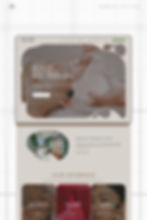
The website was designed as a 19-page Figma system covering skincare, makeup, spa services, product education, and brand content.
The same hierarchy used across the identity and packaging shaped the digital structure.
Navigation, product categorisation, page pacing, mobile direction, and the relationship between service and product content were designed to feel like part of the same brand.
The purpose was continuity: a customer moving from packaging or the beauty lounge into the website should still feel inside the same brand.

Physical brand applications
The physical locations became another place where the identity needed to remain recognisable.
Client-appointed interior and production partners translated the brand into signage, retail presentation, and environmental applications, while the identity system provided the visual reference for logo use, typography, color, and branded touchpoints.
The case study shows the completed locations as examples of the identity operating in a physical environment.
The aim was continuity between product, digital, and physical touchpoints rather than separate styling for each environment.


Production and vendor rollout
Luxury packaging loses value quickly when production decisions are left open to interpretation.
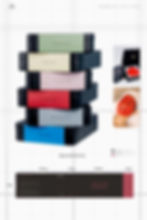
SAE-REN’s production guidance defined materials, foil references, debossing, Pantone colors, dimensions, logo placement, and format-specific rules before files reached suppliers.
That gave manufacturers something more useful than a visual reference: a defined standard to execute against.
The production standard helped keep different packaging formats aligned without relying on visual preference alone.


This is also why brand guidelines need to define production behavior, not only logo usage.
Launch direction
Before the client had a complete photography library, I provided visual direction for early product and treatment imagery, including shot guidance, composition, color hierarchy, and consistency with the packaging system.
A small set of social-direction pages was also included in the brand guidelines as additional rollout guidance rather than a separate commissioned social-media system.
The direction covered:
color hierarchy
shot and styling guidance
product presentation
composition
treatment imagery
luxury beauty restraint
consistency with packaging and the wider brand system
This gave the client a practical visual reference for early launch content before the final photography library existed.
Once real photography became available, the same direction could continue through pacing, product presentation, and treatment imagery.

Brand guidelines and handoff
The final 50+ page guideline system documented how the identity should behave across branding, packaging, photography, digital applications, and production.
It gave the client and external vendors a shared reference for both visual decisions and technical execution.
The document was built for use after the initial design phase, not only for presentation.
Its value was in helping maintain the standard as the brand continued to expand.


The result
During the engagement, SAE-REN expanded beyond the initial Pure and Glow skincare directions into additional treatments and makeup. Within six months, the client also launched a second location.
The identity system gave those additions a shared framework across product hierarchy, packaging, website design, and physical applications. New formats could be developed from existing rules instead of becoming separate design projects.
By the end of the engagement, SAE-REN had one system capable of supporting skincare, makeup, services, digital content, suppliers, and multiple locations without losing recognition between them.
“Mariya is an absolute professional. She understood exactly what I wanted and delivered high-end work that exceeded my expectations. Her attention to detail and commitment to quality are truly exceptional. I am incredibly impressed with her work ethic and dedication. I highly recommend her for any project!”
Dror A.
SAE-REN Beauty Lounge (SBL)