Building Supplement Packaging Systems for Growth Across SKUs and Formats
Packaging design for supplement, wellness, hydration, nutrition and functional beverage brands, from early concept and market-validation packaging through range architecture, SKU expansion and production-ready artwork.

Client
Multiple clients
Sector
Supplements, Wellness, Nutrition, Hydration, Performance
Main Market
UK, USA
Timeframe
2020–2026 · Multi-project packaging, identity and rollout work
Engagement
Brand identity, packaging design, packaging architecture, market-validation design, production-ready artwork, range expansion and implementation support
What I created
Multi-SKU packaging systems, Brand identity and label hierarchy, Flavor and variant logic, Tubs, sachets, bottles, boxes and pouches, Production-ready files, Brand guidelines, Product presentation assets
The situation
This case study brings together multiple brands and project types rather than one single client. The common challenge was turning individual packs into systems that could extend across flavors, formats, claims, compliance and future product expansion.
The problem
Supplement packaging rarely stays as one pack.
A first product may be followed by another flavour, a new formula, a different format, a sampler, a retail carton or an entirely new product line.
The challenge is not only making the first package look good. It is creating enough structure for the range to remain recognizable as it grows.
Across these projects, the starting point varied.
Some clients needed branding and packaging developed together. Some already had an identity and needed a packaging system. Others needed an existing concept taken further, adapted across SKUs or prepared for production.
And some were still testing the product itself, so the packaging needed to become real enough for market or investor validation before final manufacturing decisions were made.
What the brand needed
Across these projects, the starting point was different.
Some brands already had an identity and needed a packaging system that could scale across products, formats and flavors. Others needed parts of the brand itself resolved first, from naming and typography to color, logo refinement or a broader visual direction.
The packaging then had to define what stayed consistent and what could change: master-brand placement, product naming, claim hierarchy, compliance zones, color roles, format adaptation and production requirements.
The goal was not simply to design one good package. It was to create enough structure for the next SKU, format or product line to feel related, easier to develop and easier to prepare for production.
What was built
Different projects. Different starting points.
Concept exploration
Early packaging work is sometimes about finding the right visual direction before committing to full development.
For L8 Life, I explored a four-product hydration range across sachets and boxes, using controlled typography and strong colour differentiation to test how the range could behave across formats. The final commercial direction later changed, but the work remains a useful example of early-stage packaging exploration.


BTRFLY Labs explored another performance-hydration direction across sachets and secondary packaging, balancing category energy with a more controlled product hierarchy.

Packaging developed for market validation
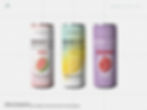
Hydralla was developed as an early-stage beverage brand across electrolyte, protein and wellness product lines.
The work combined naming and brand direction, packaging exploration, range architecture, flavor differentiation and front artwork prepared for market-validation printing.
The objective was not final manufacturing handoff at this stage. The packaging needed to be developed far enough to support investor conversations, market testing and evaluation of the product range before final production decisions were made.


Building a packaging system across formats
Strike Nutrition
Strike needed a performance-supplement system capable of moving across tubs, sachets, sampler formats and flavor variants without losing recognition.
The packaging uses a strong vertical brand mark, structured claim blocks and flavor-led color differentiation. The same hierarchy carries from the primary pack into smaller formats, making the product recognizable even when the physical format changes.
This is where packaging architecture matters.
Instead of designing each component separately, the system establishes rules for:
brand placement
product naming
benefit hierarchy
flavor differentiation
information density
cross-format consistency
future SKU expansion


The sampler format extends the same hierarchy into pouch packaging, keeping the product recognizable even when the format changes.
TrueSHIELD
TrueSHIELD combined identity development, supplement packaging and brand guidelines.
The system needed to communicate trust and product credibility without becoming overly clinical or generic.
The work included the visual identity, bottle labels, product hierarchy, colour and typography rules, icon logic and supporting brand documentation.


Tame Nutrition
Tame Nutrition used a more restrained visual language across supplement bottles and sachets.
Dark materials, controlled typography and clear information hierarchy created a more focused premium presence while allowing the system to extend across multiple products and packaging formats.
The bottle labels were developed through to production-ready artwork, while additional sachet formats were explored separately.


From concept to production artwork
Packaging does not end at the mockup.
Where the engagement includes production preparation, the approved design is developed against confirmed supplier specifications and prepared for manufacturing handoff.
Depending on the project, this can include:
full label layouts
folding-carton artwork
sachets and pouches
front, back and side-panel development
SKU and flavour adaptations
source files
print-ready exports
agreed proof or sample review
The design work can also begin later in the process.
If a brand already has an approved concept, the next step may be refinement, reconstruction or production artwork rather than another round of creative exploration.
What these projects show
Packaging projects do not all require the same process.
A client may need:
a new identity and packaging developed together
a simple evolution of an existing brand
concept exploration before committing to production
packaging for market or investor validation
a new product within an established system
additional SKUs or flavours
adaptation into another packaging format
production-ready artwork from an approved concept
proof or sample evaluation before manufacturing
The scope depends on what already exists, what still needs to be resolved and how far the work needs to go toward production.
That is why the same packaging service can range from a focused design phase to a larger staged engagement.
The result
Across these projects, the outcome was not simply a collection of individual labels.
The work created clearer systems for:
product recognition
SKU and flavour differentiation
claim hierarchy
cross-format consistency
range expansion
manufacturing handoff
product presentation across digital and physical touchpoints
When the system is defined, each new product does not need to restart the design process from zero.
It enters an existing visual and structural logic.
"Mariya is the best designer I have worked with. She understood the concept that I had in mind and brought it to life under a short time frame. Would highly recommend if you are looking to get packaging designs made or simply level up your brand identity. 10/10"
Hamzah B.
Strike Nutrition